
Natural Juniper Tar Soap
Experience the healing power of 5,000 years of Anatolian tradition. Our handmade Juniper Tar Soap is a dermatological powerhouse, formulated specifically for problematic skin and scalp conditions.
Wholesale and Bulk Natural Juniper Tar Soap
Handmade and natural juniper soap bar produced with high quality pure ingredients. Get in touch directly for wholesale prices of juniper tar natural soap bar produced with traditional methods in Turkey.
Natural soap manufacturer, wholesaler and supplier from Turkey. Natural Juniper Tar soap is handmade by our expert craftsman in Turkey. Contact us for wholesale and bulk prices and orders to import juniper tar soap
Ingredients and Specification Juniper Tar Soap
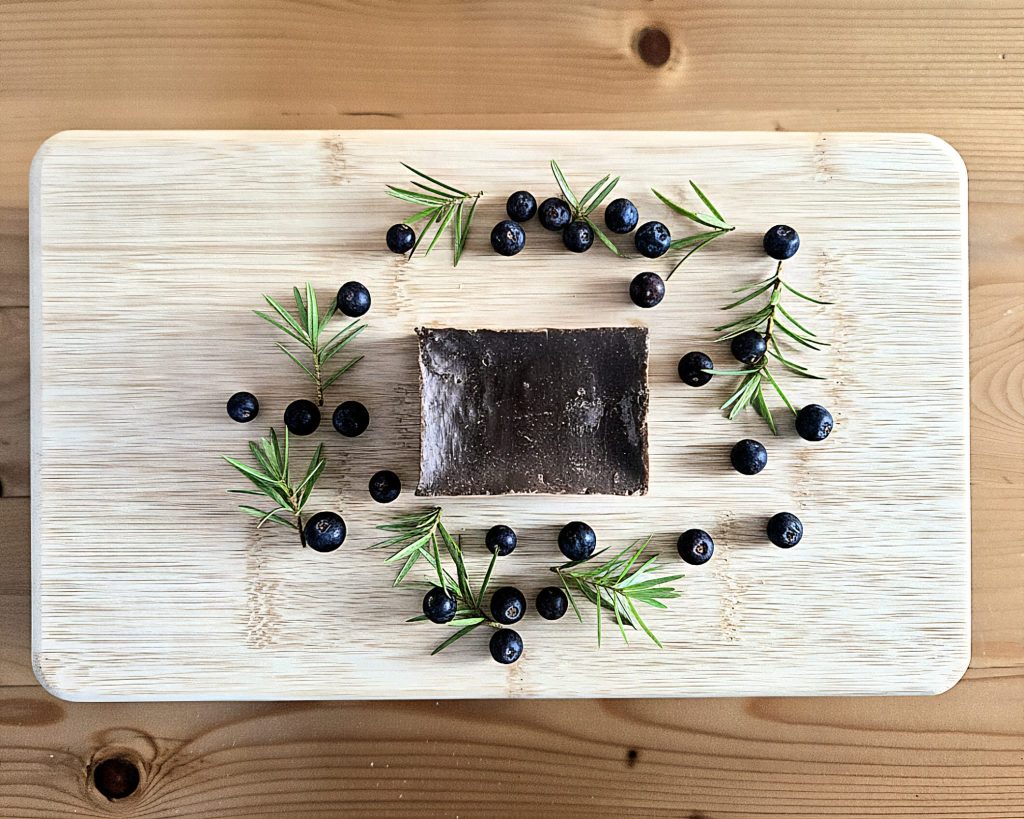
- Pure Olive Oil and Juniper Tree Tar
- Oak Tree Ash and Water
- Handmade and Natural Soap Bar
- Vegan Soap Bar
- Private Label Option
- Rectangular Shape
- 140gr +/-10gr

Tested and Documented by third party Laboratoray

Certificate of Analysis Report
Tested by Third party Laboratory
Skin Benefits of Juniper Tar Soap
- Natural antibacterial properties: Juniper essential oil has natural antibacterial properties that can help prevent the growth of bacteria on the skin, making it ideal for those with acne-prone skin.
- Helps with skin conditions: Juniper soap can be beneficial for those with eczema, psoriasis, and other skin conditions, thanks to its natural anti-inflammatory and soothing properties.
- Detoxifying properties: Juniper soap can help detoxify the skin by removing toxins and impurities, leaving it clean and refreshed.
- Improves skin tone and texture: Juniper soap can help improve the skin’s overall tone and texture, leaving it looking healthy and radiant.
- Natural fragrance: Juniper soap has a pleasant, natural fragrance that can help invigorate the senses and provide a relaxing and calming effect.
- Gentle on the skin: Juniper soap is gentle on the skin and doesn’t contain any harsh chemicals that can irritate the skin.
- Natural moisturizer: Juniper soap can help moisturize and nourish the skin, making it ideal for those with dry or sensitive skin.
Juniper soap with olive oil has anti bacterial and anti parasite effect, so it is a good choice to use it everyday to sterilize from germs. Another effective benefit of juniper soap is to help remove skin remove dark spots and skin blemish from acne and other wounds.
Juniper soap prevents skin to be oily, balances the skin oil and makes your skin natural and moisturizes. In long term the effects are more efficient and more positive.
Juniper soap has over 5000 years history, it has been used for ages to cure and solve many problems and diseases. American Mayo Clinic dermatologists recommend juniper tar soap to be used against eczema, acne problems, dermatitis, skin burns and psoriasis.
Juniper soap is totally natural and it is safe to use.
Overall, using juniper soap can help improve the health and appearance of the skin. Its numerous benefits for the skin make it a popular choice among those who want to take care of their skin in a natural and gentle way.
Sustainable & Zero Waste Soap Manufacturing
At Lesmira, we prioritize the planet as much as your skin. Our production facility in Turkey follows strict zero-waste principles, ensuring that our traditional cold-press methods remain sustainable and clean
-
Plastic-Free: We offer ‘naked’ bars or 100% recyclable paper boxes.
-
Eco-Friendly Shipping: Bulk packaging designed to reduce carbon footprint.
-
Biodegradable: Safe for all water systems and free from synthetic microplastics.
-
Clean Formula: No palm oil, no SLS, and no animal testing.
Contact for Wholesale Bulk Juniper Tar Soap
REQUEST A CUSTOM QUOTE FOR PRIVATE LABEL JUNIPER TAR SOAP
Ready to bring the healing benefits of Natural Juniper Tar Soap to your customers? Whether you are a boutique owner, a pharmacy chain, or looking to start your own skincare brand, we are here to support your growth.
Feel free to get in touch for pure juniper tar soap made with olive oil. The most natural juniper tar soap in the market
Juniper Tar Soap: Frequently Asked Questions
Juniper tar soap is highly valued for its natural antiseptic, antifungal, and anti-inflammatory properties. It is a traditional remedy used to soothe stubborn skin conditions like psoriasis, eczema, and rosacea by reducing redness and itching while balancing the skin’s natural oil levels.
Yes, Its antibacterial nature helps eliminate acne-causing bacteria, reducing the frequency of breakouts and helping to fade the appearance of dark spots and blemishes over time.
It primarily acts as a “reset” button for irritated skin. Because it’s naturally antiseptic, it kills the bacteria and fungi that cause itching and inflammation. It’s most effective for people struggling with angry, red skin conditions like psoriasis or chronic eczema where standard soaps are too harsh or ineffective.
It works best for oily and cystic acne. The tar pulls excess oil out of the pores and dries out active breakouts without using harsh chemicals like benzoyl peroxide. You’ll likely notice the swelling go down within a few days, but because it is a natural treatment, it takes about a month of consistent use to see a total change in skin texture.
It is a “holy grail” for dandruff and itchy scalps. It breaks down the waxy buildup that causes flakes. However, a warning: tar soap can make your hair feel “waxy” or stiff if you have long hair or live in a hard-water area. If you use it as a shampoo, always follow up with an acidic rinse (like diluted apple cider vinegar) or a good conditioner on the ends.
If your skin is very oily, once a day is fine. However, for most people, using it every single day can be too drying. It’s better to think of it as a treatment rather than a regular beauty bar. Use it 3 times a week to keep symptoms under control, and always apply a moisturizer afterward to keep your skin barrier intact.
Most commercial soaps are full of synthetic fragrances and detergents that trigger flare-ups. Juniper tar soap is a minimalist alternative. It’s a traditional, time-tested remedy that treats the root cause of skin issues—bacteria and inflammation