Welcome, fellow entrepreneurs and boutique owners! Are you looking to enrich your product offerings with the authentic charm and quality of handmade soap? Diving into the wholesale world can seem daunting, but it’s a rewarding journey that can set your business apart.
This guide will equip you with everything you need to know to make informed decisions, ensuring you source the best handmade soaps that resonate with your brand and delight your customers.
1. Understanding the "Handmade" Difference: Why It Matters
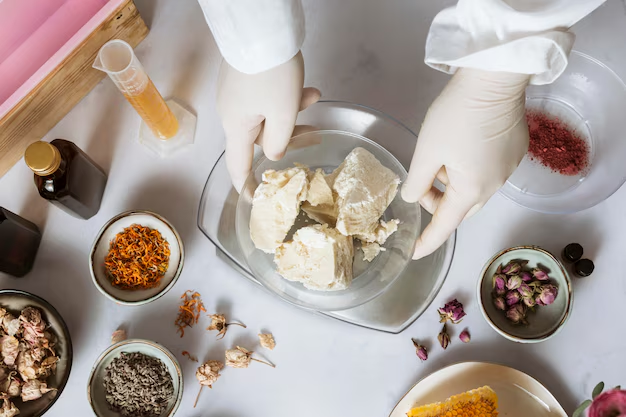
Before you even consider purchasing, let’s clarify what “handmade” truly signifies in the world of soap. It’s more than just a marketing buzzword; it represents a commitment to quality, traditional methods, and often, superior ingredients.
What to Look For:
Cold Process or Hot Process: These traditional methods involve the saponification of oils and lye. Cold process is most common for artisan soaps, allowing for creative designs and maintaining the beneficial properties of oils. Melt-and-pour, while technically “handmade” in assembly, uses a pre-made base and offers less control over ingredients.
Natural Glycerin Retention: Commercial soaps often remove glycerin (a natural humectant) for other products. Handmade soaps retain this precious ingredient, making them inherently more moisturizing and skin-friendly.
Ingredient Transparency: Authentic handmade soap makers are usually proud to list every ingredient. Look for natural oils (olive, coconut, shea butter), essential oils, natural colorants (clays, botanicals), and minimal or no harsh chemicals.
Why this matters to your customers: Today’s consumers are increasingly ingredient-conscious. Highlighting the natural and handmade aspects of your soaps can be a significant selling point.
2. Identifying Your Niche and Target Audience
Who are you selling to? Understanding your ideal customer is crucial before you even browse suppliers.
Eco-conscious Consumers? Focus on sustainable ingredients, minimal packaging, and ethically sourced components.
Luxury Market? Look for exotic oils, unique scents, and sophisticated packaging options.
Sensitive Skin Solutions? Prioritize unscented bars, hypoallergenic ingredients, and specialized formulations (e.g., goat milk, oatmeal).
Unique Gift Items? Consider visually appealing soaps, unique shapes, or themed collections (seasonal, celebratory).
Pro-Tip: Don’t try to be everything to everyone. A focused selection will make your brand more memorable and your marketing more effective.
3. Sourcing Suppliers: Where to Find the Best
Now for the hunt! Finding reliable wholesale soap suppliers requires a keen eye and thorough research.
Online Marketplaces: Platforms like Faire, Etsy Wholesale, and even dedicated B2B sections on artisan websites are great starting points.
Trade Shows: Attending local or national craft and gift shows allows you to see products firsthand, meet makers, and negotiate deals.
Direct from Makers: Many small-batch artisans offer wholesale directly from their websites. This often allows for better pricing and more personalized service.
Local Artisans: Support your local economy! Search for soap makers in your region. This can also lead to unique, locally themed products.
4. Key Questions to Ask Potential Wholesalers
Once you’ve identified potential suppliers, it’s time to vet them thoroughly. Don’t be shy – ask everything!
Minimum Order Quantity (MOQ): What’s the smallest order you can place? This is critical for new businesses or for testing new products.
Pricing Tiers: Do they offer discounts for larger quantities?
Lead Time: How long does it take from order placement to shipment? This is vital for inventory management.
Shipping Costs & Methods: Understand the total cost involved.
Ingredients & Certifications: Request full ingredient lists. Are they palm-oil free? Vegan? Organic?
Private Labeling/Customization: Can they create soaps with your branding, or custom scents/formulations?
Packaging Options: Do soaps come unwrapped, individually wrapped, or with specific branding?
Samples: Can you order samples before committing to a larger wholesale order? (Highly recommended!)
Shelf Life & Storage: How long do their soaps last, and what are the best storage practices for retailers?
5. Evaluating Quality and Consistency
You’ve found a potential supplier and asked all the right questions. Now, it’s time to evaluate the product itself.
Order Samples: This is non-negotiable. You need to touch, smell, and even test the soap yourself.
Appearance: Is the soap visually appealing? Consistent in size, color, and design?
Aroma: Is the scent pleasant, long-lasting, and accurately described?
Lather & Feel: Does it produce a good lather? How does it feel on the skin? (Silky, creamy, stripping?)
Packaging for Shipment: How well are the samples packaged? This indicates how your larger order will arrive.
6. The Importance of Testing and Feedback
Before making a big commitment, test the waters!
Small Initial Order: Start with a smaller wholesale order of a few popular varieties.
Gauge Customer Reaction: Pay attention to which soaps sell best, and gather feedback from your customers. Are they happy with the quality, scent, and overall experience?
Track Sales Data: Use your sales data to inform future purchasing decisions.
7. Building a Lasting Relationship
A good wholesale relationship is a partnership.
Clear Communication: Maintain open lines of communication with your supplier.
Provide Feedback: Offer constructive feedback to your supplier, especially if it’s about product quality or delivery.
Be a Reliable Buyer: Pay on time, and communicate any issues promptly.
By following this ultimate guide, you’ll be well on your way to stocking your shelves with exquisite, high-quality handmade soaps that will enchant your customers and boost your business.